When families begin thinking about summer, one question often rises to the top: What kind of camp experience will actually be good for my child?
Of course, practical details matter. Families need schedules that work and programs they can trust. But when parents are choosing the right summer camp, they are often looking for more than coverage for the day. For many, it is also a first glimpse into a school community and what that program values.
They are looking for a place where their child can feel safe, have fun, make friends, try new things and grow in meaningful ways.
Camp should give children room to explore new interests, build confidence and stretch into new parts of themselves, all within a supportive community.
At The Little School summer camp, we think that is exactly what a strong camp should do. As Bri Wells, Director of Auxiliary Programs, puts it, summer camp should not feel like “just a place where you’re going to be dropping off your kid every day.” It should be a place where children “are going to be excited to show up each day” and where they “get to show up as themselves.”
So what should families look for in a summer camp? Let’s explore a few of the qualities that matter most.
Key Takeaways
-
At The Little School, summer camp is designed to help children feel safe, known and excited to return each day
-
The strongest summer camps balance fun, exploration and meaningful growth
-
Opportunities for choice, free play and friendship-building help children build confidence
-
Structure matters, but the best camps offer predictability without rigidity
-
The best programs support families too, with clear communication and schedules that work for real life

Does the Camp Create a Sense of Belonging?
Before anything else, a good summer camp should help children feel that they belong.
That can look different from child to child. For some, belonging shows up right away in a quick smile at drop-off or an eager rush toward the day’s activities. For other children, it takes more time. What matters is that the camp environment makes space for both.
At The Little School, this idea of belonging sits at the heart of the summer experience. Wells describes camp as a place where “everyone here belongs in their own way.” When that environment is created, camp-goers are more likely to settle in, connect with others and begin taking healthy risks.
Wells reflected on this same idea in a story about one student who arrived at camp deeply hesitant. He did not want to go outside, did not want to join activities and mostly wanted to stay inside and play quietly with number blocks by himself. But because the adults around him gave him time, space and support, things slowly began to shift.
He tried one activity. He went outside for one part of the day. He made one friend. By the end of the summer, he was connected, participating and thriving.
That story is powerful not because every child will arrive that cautiously, but because it shows what is possible when a camp knows how to meet different children where they are.
As Regan Wensnahan, Director of Enrollment Management, notes, many children find a new camp a little overwhelming at first. The right environment helps them move through that initial uncertainty with confidence.
Does the Camp Balance Fun with Meaningful Growth?
Most parents would prefer camp not to turn summer into school for their children. But they also do not want an experience that feels empty.
The strongest camps understand that fun and learning are not opposites. Children learn through play, exploration, relationships and by being immersed in the natural world. They learn when they are curious. They learn when they are engaged. They learn when they are doing meaningful projects.
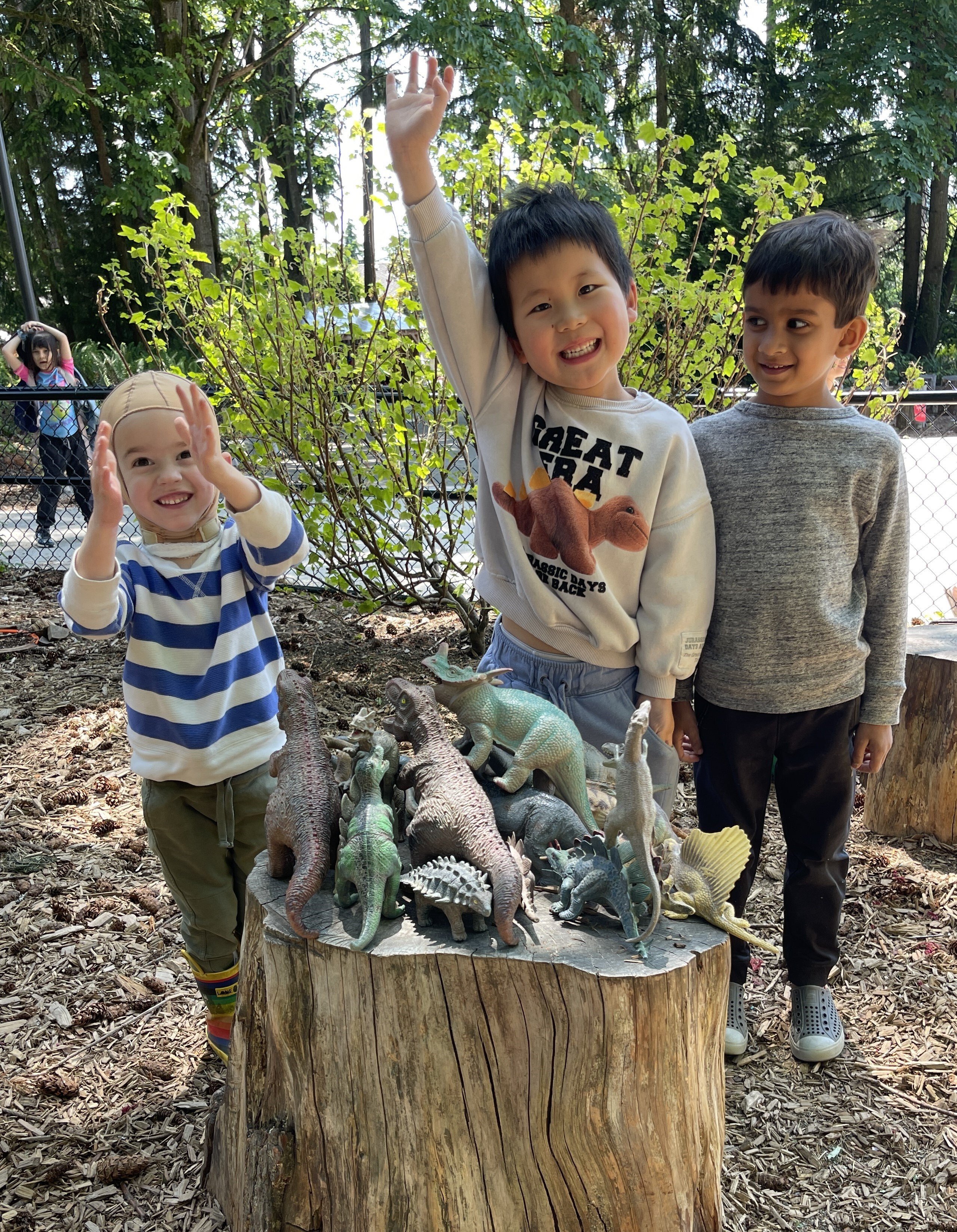
That is one reason The Little School’s setting shapes the camp experience so deeply. Wells describes the campus as a place full of “wildlife and woods” that gives students a “true immersion into nature.” During the summer, that matters. Children are not just moving from one indoor activity to another. They are outdoors, observing, building, playing and interacting with the natural environment around them.
In practice, that means days filled with both joy and substance.
That’s reflected in the way our summer camp is organized. Each week is built around a theme and learning objective, providing families a clear idea of what their children will be exploring as they play, create and connect.
Themes include:
-
Welcome to the Flock
-
Buzzing with Life
-
Feathers, Fur, and Scales
-
Builders & Makers
-
Caring for Our Community
Each theme invites children to enjoy hands-on experiences tied to life science, animal science, outdoor experimentation, design thinking and social skill building. he camp experience should be rich enough to spark curiosity and help children make meaning from all the different activities that they are doing.
These kinds of authentic learning experiences tend to stay with children. It becomes part of their stories about summer, and sometimes part of the way they begin to imagine themselves as members of a larger learning community.
Does the Camp Give Children Real Choice?
If there is one quality families should look for in a summer camp, it is this: Does the camp allow children to make real choices within the day?
Choice matters because it helps children develop ownership. When children choose an activity, they approach the experience differently. They are not just complying. They are actively participating in something that matters to them. They have buy-in. They are more open, more interested and more ready to engage.
Wells believes this is a core part of The Little School’s camp experience. Throughout the day, students have opportunities for what the camp calls “kids choice” or “kids pick.” They might choose baking, field games, coding or a guitar class. Often, these offerings grow out of the interests and talents of the counselors themselves, which brings an added sense of energy and authenticity to the experience.
Wells explains that when children choose what they want to do, “the learning just really comes naturally after that.” They are there because they want to be there. That idea feels especially meaningful in summer, when there is room to discover new interests in a low-pressure setting.
Choice also teaches something bigger. Children learn what it feels like to try something, enjoy it and keep going. They also learn what it feels like to try something and realize it is not for them. Both are valuable. Both help them understand themselves better.
That choice exists alongside a wider range of camp experiences, too. Children may also participate in electives and activities such as:
-
Caring for chickens
-
Beekeeping
-
Birding
-
Art
-
Coding
-
Lego Robotics
-
Baking
-
Forest hikes
-
Field sports
Wensnahan notes that children need chances to become self-motivated, confident and willing to explore a wide range of possibilities. Summer camp can be one of those places where a child begins to develop the habits of mind, perseverance and resilience.
Does the Camp Leave Room for Free Play and Discovery?
Free exploration and imaginative play can sometimes sound like an extra, but play is actually one of the most important parts of a child’s day.
Wells names free play as one a priority for summer camp because so much self-motivation happens there. In free play, children face a simple but meaningful question: What do I want to do now?
That question asks them to think, to choose, to create and sometimes to work through boredom before taking initiative to discover something meaningful and powerful for them.
That process of discovery matters. It builds flexibility and independence. It also supports social development, since free play is often where children negotiate roles, invent games, include others and solve small conflicts on their own.
For families choosing the right summer camp, it is worth paying attention to whether the program has enough open space in the day for that kind of discovery. A camp does not need to schedule every minute to be effective. In fact, over-scheduling can get in the way of the very qualities many parents hope camp will nurture.
At TLS, student choice time exists alongside routines and guided group experiences, which helps create a day that feels both expansive and grounded.
Does the Camp Offer Structure Without Rigidity?
Children benefit from freedom, but they also benefit from knowing what to expect.
That is why another key quality to look for in a summer camp is structure and routines. Not rigid structure. Not a packed schedule that leaves no room to breathe. But a predictable rhythm that helps children feel secure.
“We have a loose structure, but some sort of structure is going to be important so that kids know what to expect when they get here,” explains Wells. When children know how the day flows, they can prepare themselves mentally and emotionally. That sense of predictability helps them settle in and participate more fully.
A strong camp knows how to balance those two needs. It gives children enough consistency to feel safe and enough flexibility to stay joyful. It allows for routine without making the day feel overly controlled.
Summer is, after all, a different kind of season. Children can try new things, interact across age groups and experience a wider menu of possibilities than they often do during the school year. The structure should support that openness, not shut it down.
Does the Camp Help Children Build Friendships and Confidence?
One of the great gifts of summer camp is the chance to expand a child’s world.
That may mean meeting new peers, connecting with different adults or learning how to enter a community that feels unfamiliar at first. Some children take to the new environment immediately. For others, it takes time. Either way, the experience of building friendships and finding one’s place within a community can be deeply valuable.
Wensnahan describes summer camp as a time to practice friendship skills, separation from parents and openness to new experiences. That is one reason camp matters so much—it’s not about filling summer hours but, rather, helping children grow more comfortable with the idea that they can try something new and be okay.
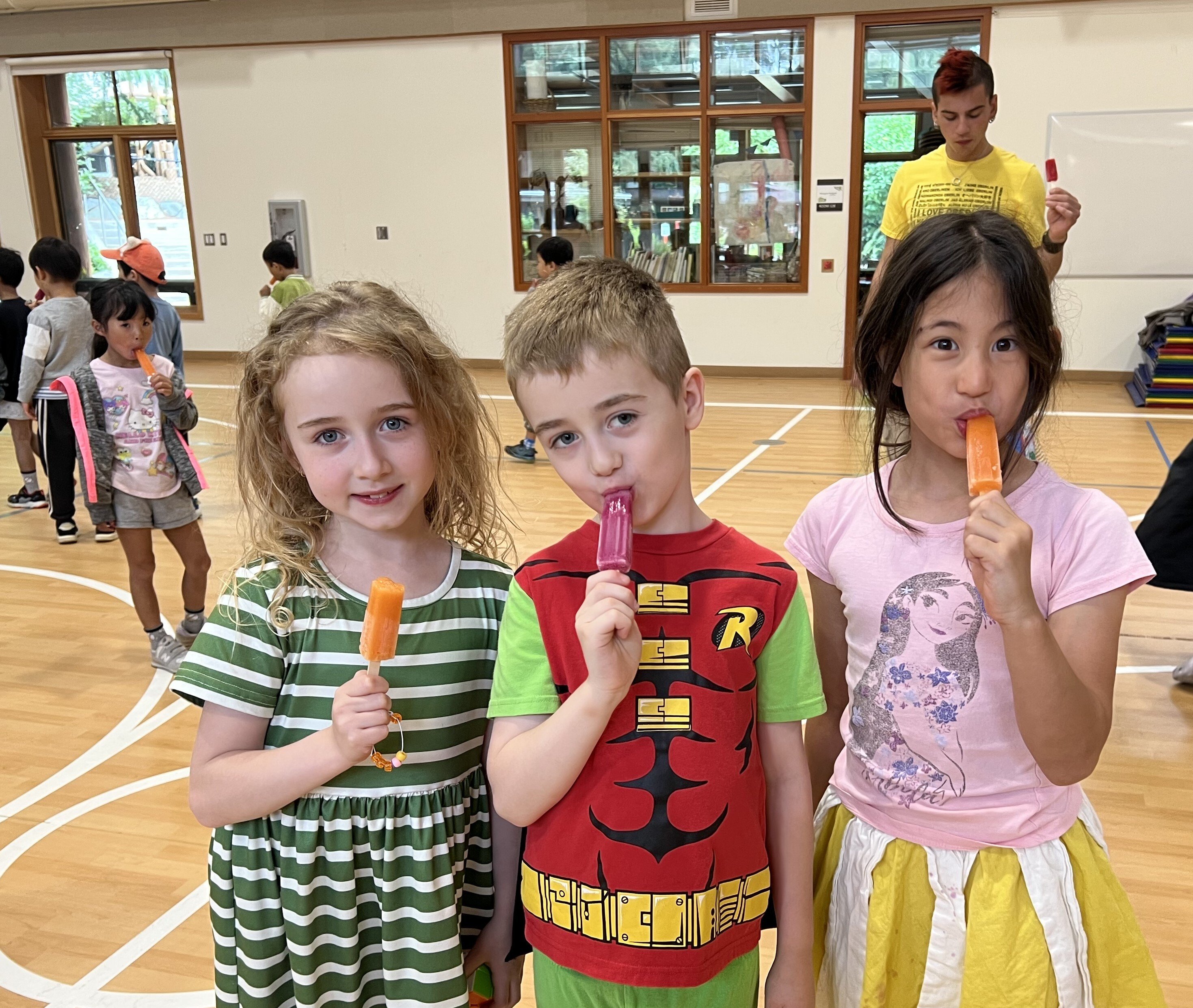
Here at The Little School, community is reinforced intentionally. Wells explains that the camp invites a great deal of sensory play throughout the day, which can be calming and grounding for students. There are also many opportunities for the community to come together across age groups, including a Friday all-camp sing and simple summer rituals like Friday morning popsicles.
Those moments may seem small, but they help shape the tone of a camp. They make it feel joyful, connected and memorable.
Does the Camp Support Parents?
The best summer camps do not only support children. They support families as well.
That means practical hours. It means clear communication. It means parents know who to contact when they have a question and trust that they will get an answer.
This is an area where families often know very quickly what a program is like. Communication either feels thoughtful and dependable, or it does not.
At TLS, that support includes a few features that can make a real difference for families:
-
Connection to camp leadership: Wells emphasizes that parents have direct access to the camp director from the moment they register.
-
Regular updates: Families receive weekly newsletters and updates, with photo sharing as part of the communication experience.
-
A sense of connection: For many parents, especially those with younger children, consistent communication creates reassurance and trust.
-
Hours that support working families: As Wensnahan notes, “Just because it’s summer doesn’t mean you don’t have your job.”
It also helps when families can quickly tell whether a camp is designed for their child’s age and stage. At The Little School, summer camp serves children in Early Childhood, Kindergarten, 1st grade, 2nd–3rd grade and 4th–5th grade. Children must be 3 years old and fully potty trained to join, and children entering 6th grade are not eligible.
Summer should be joyful for children, but it still has to work for family life. A camp that recognizes that reality is a camp that is paying attention.
What Makes a Summer Camp Experience Truly Meaningful?
In the end, choosing the right summer camp is not about finding the flashiest theme or the fullest calendar. It is about finding a place where your child can be known, where they can explore, where they can build friendships and where they can grow in ways that feel both joyful and lasting.
At The Little School, we believe that kind of growth happens through belonging, nature, choice, community and care. It happens when children are given choices within a thoughtful structure. It happens when adults pay attention to who each child is and what they may need in order to thrive.
And it happens when summer is allowed to be what it should be: a season of discovery, connection and possibility.
If that is what you are hoping to find for your child, summer at The Little School is worth exploring.
Have questions about summer camp? Contact The Little School to learn more about this year’s program.